More people miss NHS appointments when clocks go forward
Posted on Monday 19 March 2018
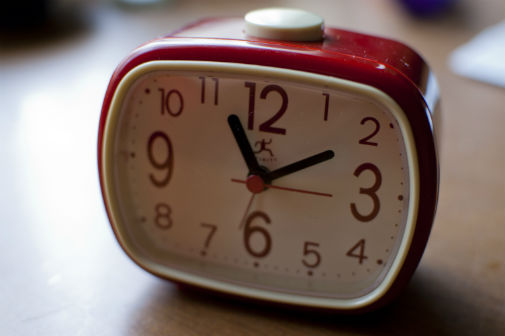
NHS figures show that there were eight million missed appointments in 2016/17
In a study, led by the University of York and Lancaster University, researchers revealed that patients are five per cent more likely to miss an appointment in the week after the clocks go forward compared with the previous week.
Psychologists analysed over two million appointments in Scotland from 2005 to 2010 before, during and after the spring and autumn clock changes.
Researchers found that the rate of missed appointments increases significantly after the clocks go forward an hour. The next change occurs on 25 March 2018.
Financial issue
NHS figures show that there were eight million missed appointments in 2016/17.
Each hospital outpatient appointment costs £120, so missed appointments represent a significant financial issue for the NHS and have a negative impact on patient care.
Dr Rob Jenkins, from the University of York’s Department of Psychology, said: “The increase in missed appointments following the spring clock change might be due to people losing an hour of sleep and having worse sleep quality.
“People could run late for appointments after the clocks go forward in spring and early for appointments after the autumn clock change.”
Patient care impact
The research also showed that the effect wears off after a week.
Dr David Ellis, from the Lancaster University, said: “Missed appointments represent a significant financial issue for healthcare systems and have an adverse impact on patient care.
“Even small reductions in missed appointments could have a large impact on reducing these costs along with the health risks to patients.”
The researchers suggest that potential solutions include sending additional reminders to patients as the spring clock change approaches, or scheduling more appointments in the week prior to the spring clock change.
‘Missed appointments during shifts to and from daylight saving time’ is published in the journal Chronobiology International