Creating Cinematic Voices: Creative boot camp offered at York
Posted on Friday 12 December 2014
Aimed at early career film sound practitioners, Creating Cinematic Voices: from script to mixing will be taught by industry professionals at Heslington Studios, a world-class facility boasting industry-standard equipment.
Running from 21-22 March 2015, the course is supported by Creative Skillset’s Film Skills Fund, which is funded by the National Lottery via the BFI and the Skills Investment Fund (SIF).
The two day course will cover the production of all main types of cinematic voices: dialogue, voiceovers, internal monologues and designed voices. It will include script analysis, relating with directors and actors, production recording, dialogue editing techniques, voice sound design methods, automated dialogue replacement (ADR) in post-production, mixing the voice, critical listening and asset management.
Led by Sound Design Lecturer Dr Sandra Pauletto, the course is supported by industry specialists including Neil Hillman, Sound Designer, Dubbing Mixer and ADR Mixer (Lincoln), James Hyde, ADR Mixer and Studio Assistant at De Lane Lea Studios, (Gravity, The World's End), Adele Fletcher, Dialogue and ADR Editor (Venus), and Adam Severs, Dubbing Mixer for ITV, BBC and De Lane Lea Studios (In the Club). The course also features an evening with industry veteran Robin O'Donoghue, former Head of Post-Production Sound at Pinewood Studios and Re-Recording Mixer for Love Actually, Shakespeare in Love, Gandhi, and many more.
Dr Pauletto, of the Department of Theatre, Film and Television, said: “The voice has a fundamental role in the success of a film: it brings the story and the characters to life. This is a very hands-on course where participants will go through all the stages of voice creation from production to post-production in industry standard facilities.
“By the end of the course participants will have a solid understanding of the processes involved in the creation of cinematic voices, a strong appreciation of the importance of voice in film production and pick up useful techniques along the way."
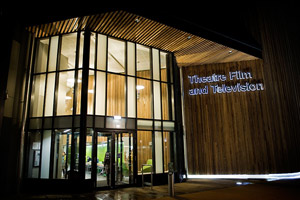
The Department of Theatre, Film and Television offers a media complex of two theatres, two television studios, a large sound stage, production labs, extensive post-production facilities and a digital cinema, as well as rehearsal and changing rooms.
York is a leading destination for creative and digital businesses which is the largest growth area of the City's economy. As a UNESCO City of Media and Arts, the city of York provides exciting opportunities for its entrepreneurs and practitioners.
Further information
- For further information about the University of York’s Department of Theatre, Film and Television visit: www.york.ac.uk/tftv
- Creative Skillset’s Film Skills Fund, as part of its film skills strategy, is funded by the National Lottery via the BFI and through the Skills Investment Fund, which comprises industry and government co-investment. The film skills strategy focuses on addressing the vital skills and training needs of the industry to deliver maximum economic and cultural return: creating jobs, strengthening skills, building skills for the future and ensuring world-class film education.