
News
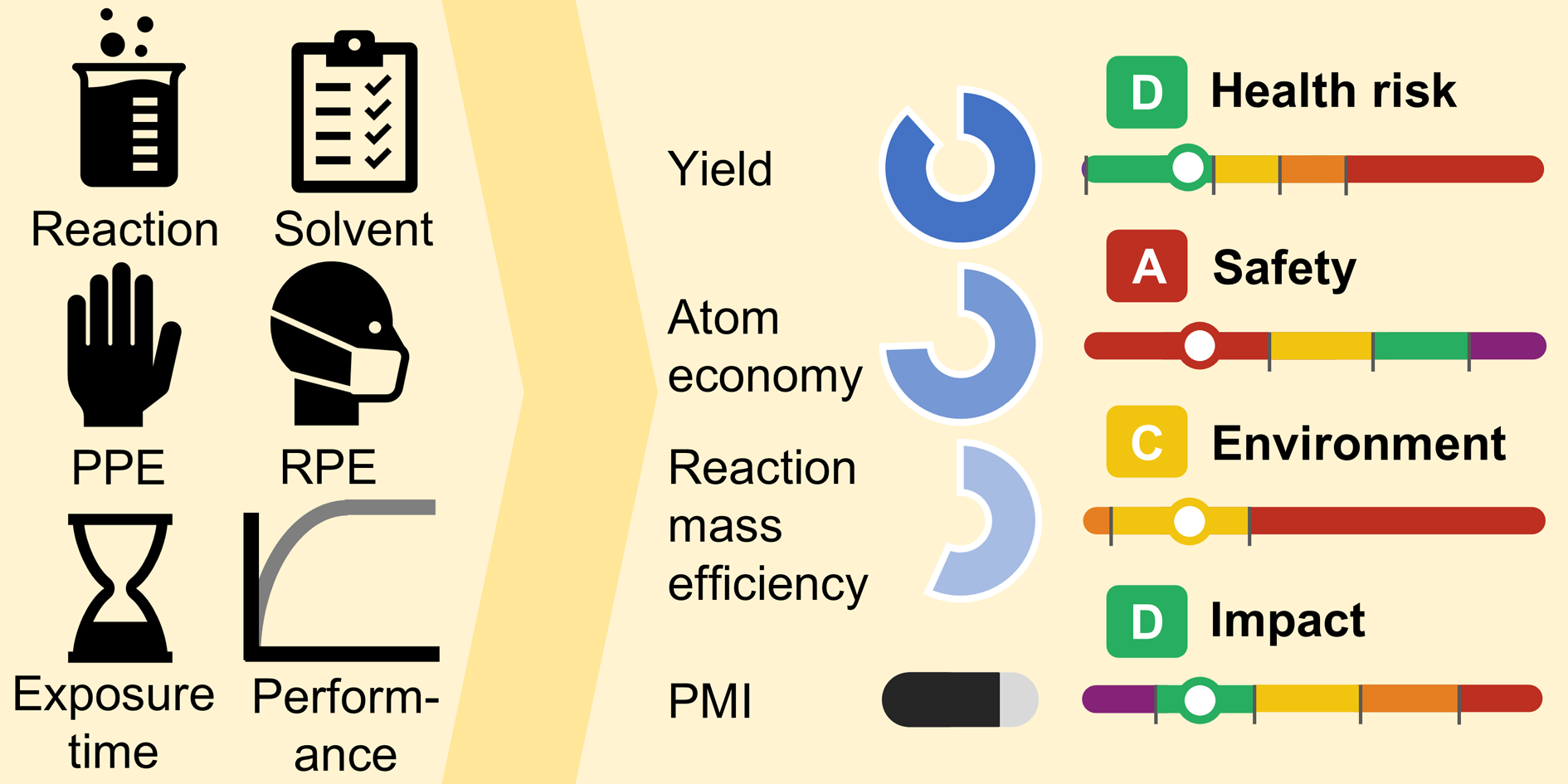
Embedding the European Commission's Safe and Sustainable by Design framework into an open-access, interactive solvent selection guide covering 365 solvents.
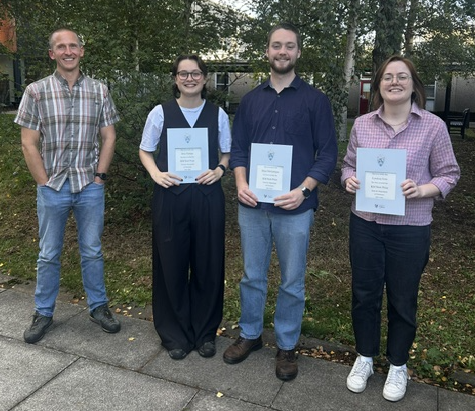
Celebrating outstanding research achievements by our final-year PhD students in the Department of Chemistry
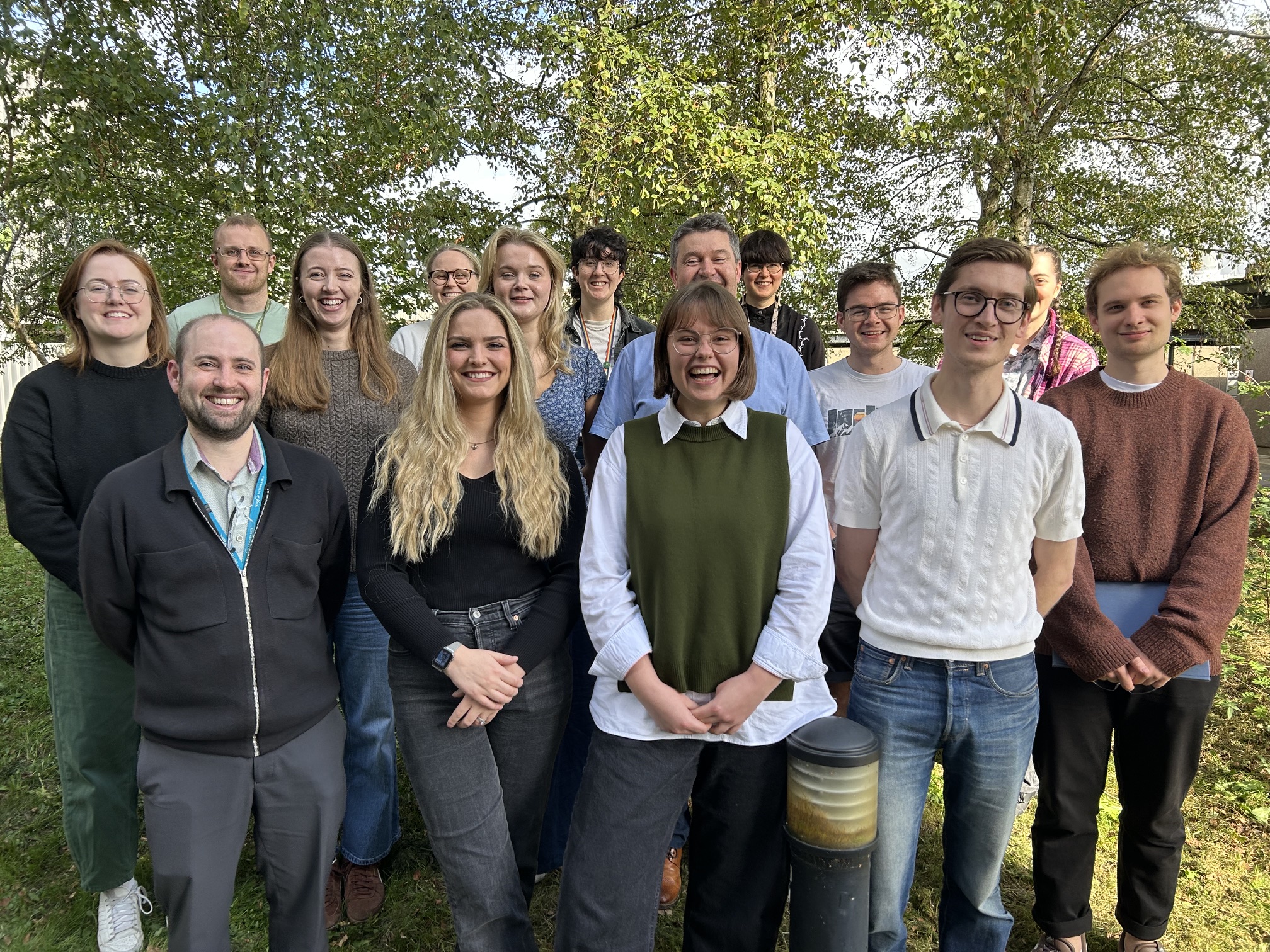
We celebrate the excellent science done by our Department’s PhD, PDRA and technical co-workers by recognising the prizes and awards have won in 2026 so far.
The Department of Chemistry has placed 9th in The Times and Sunday Times Good University Guide 2027 for the subject of chemistry.
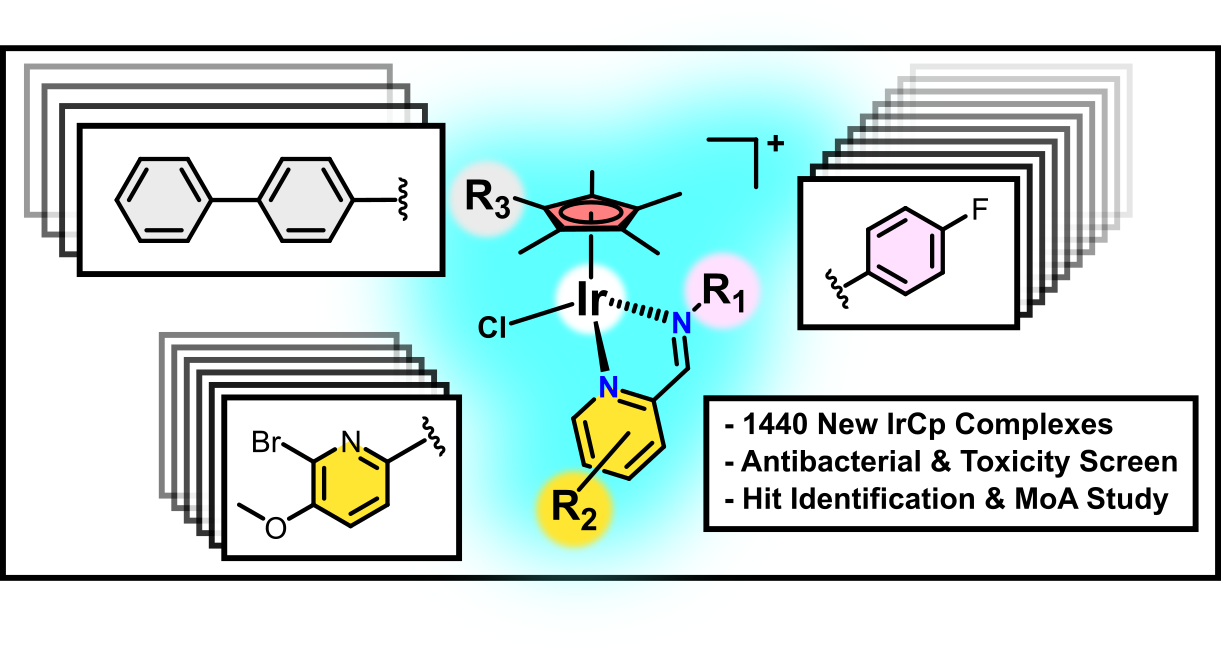
Researchers in Dr Angelo Frei’s group in the Department of Chemistry have developed a high-throughput robotic approach to prepare and screen a library of 1,440 new iridium(III) complexes, leading to the identification of promising compounds with antibacterial activity.
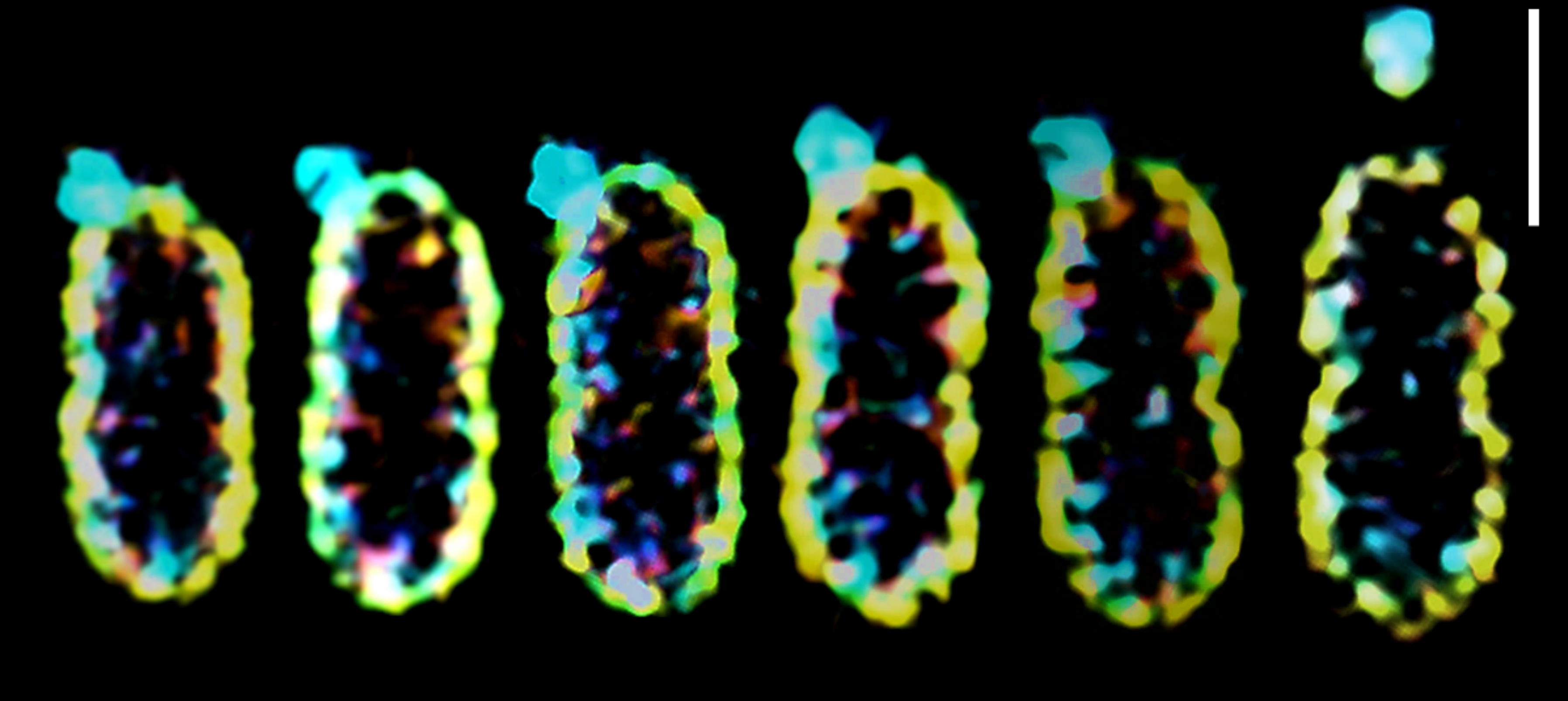
York researchers have uncovered how E. coli renews its protective outer membrane despite the absence of cell growth, revealing the role of nanoscale lipid spheres called vesicles in remodelling this barrier helping it to shield bacteria from antibiotics and immune attack.
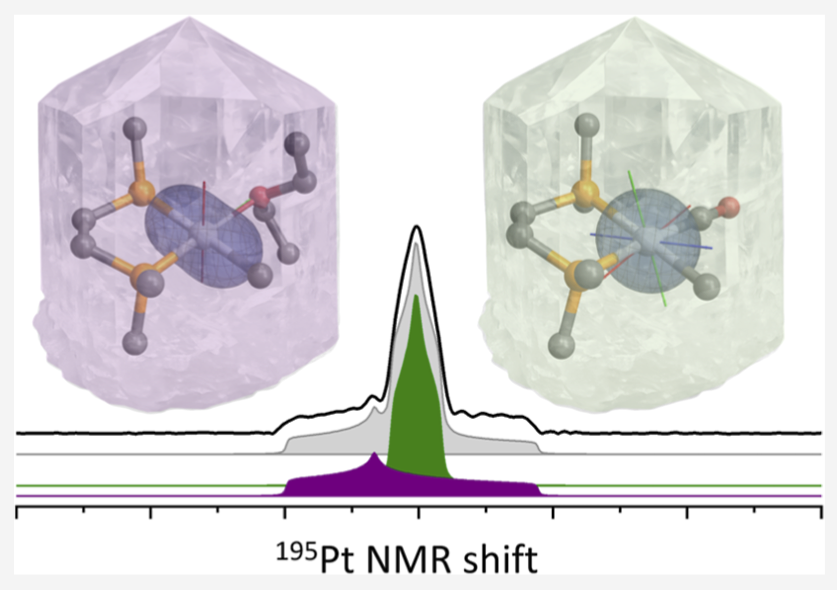
A new study shows that reactivity of platinum organometallic complexes in single-crystals can be followed using unique NMR fingerprints that describe changes at the metal centre on addition of reactive gases. This methodology may ultimately help provide vital mechanistic understanding of industrially important processes, such as those in fuel cells and catalytic converters.
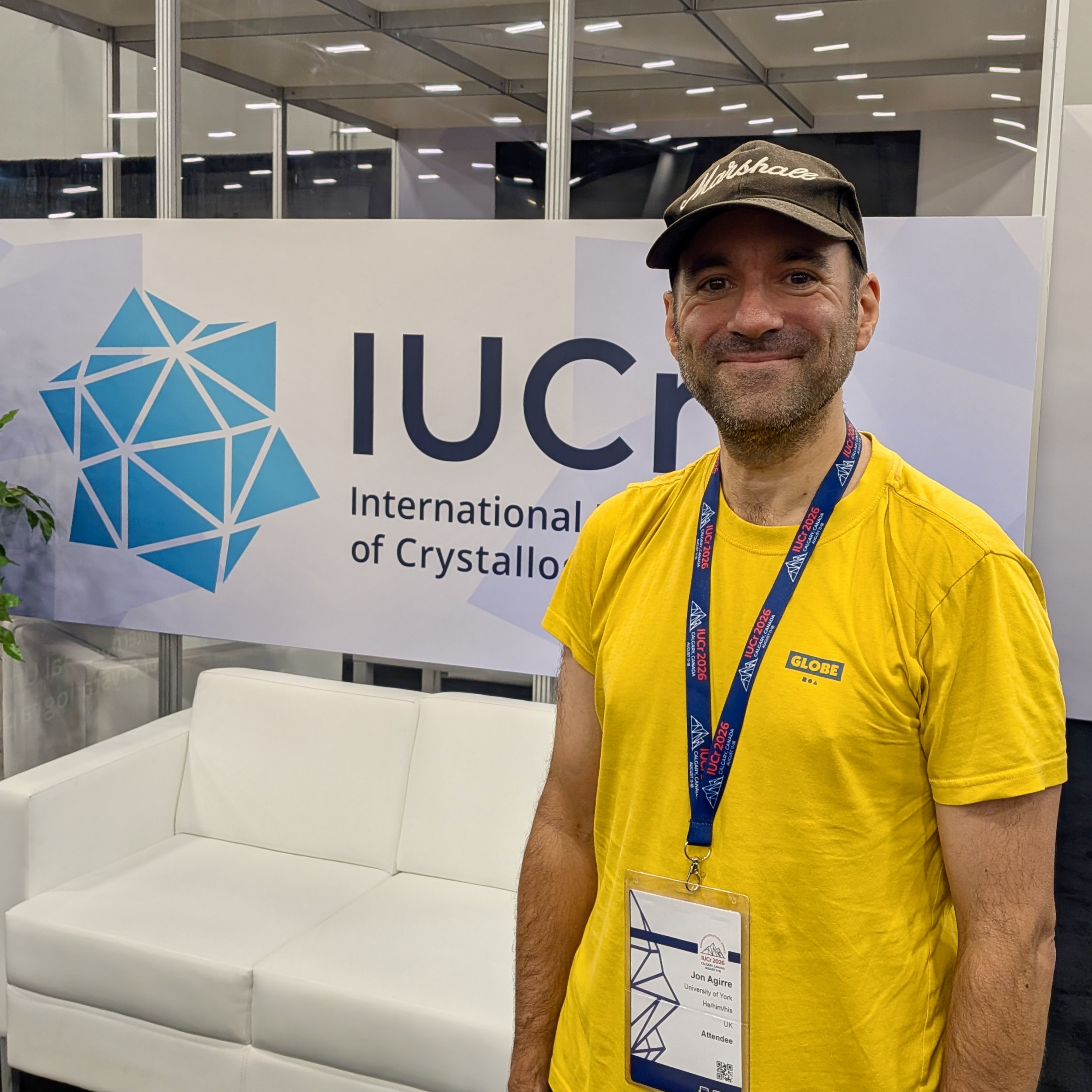
Jon Agirre of the Department of Chemistry was unanimously voted in as the next Editor-in-Chief of the International Union of Crystallography (IUCr) journal portfolio, succeeding Andrew Allen (NIST, USA).
ChemYork Magazine
We produce a biannual magazine highlighting our teaching, research, staff and students.
Read ChemYork