University takes part in global Covid vaccine trial
Posted on Wednesday 5 May 2021
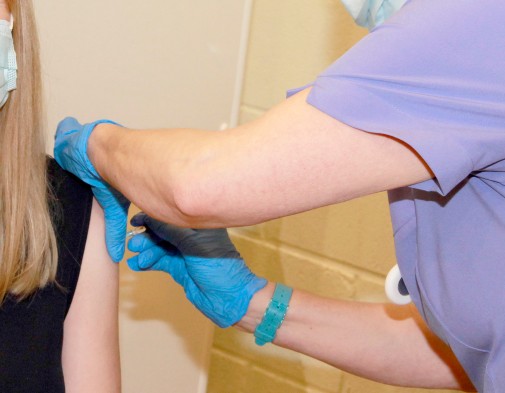
York is one of nine locations across the UK taking part in the global trial which is a first for the city. The University is working with York and Scarborough Teaching Hospitals NHS Foundation Trust and Tees, Esk and Wear Valleys NHS Foundation Trust to deliver the trial.
The vaccine study will involve a total of 30,000 adult subjects globally. In York around 150 people, aged between 18 and 40 who have not already had a vaccine for COVID-19, will take part in the trial.
Clinic
The study will also involve Regional Clinical Research Network partners. The trial will involve up to 10 planned visits to the clinic over a two-year period, but this may be shorter depending upon the on-going results.
Professor Charles Lacey from the Hull York Medical School is the Principal Investigator leading the team in York.
Professor Lacey said: “Clinical studies are important for medical advances. Current available vaccines are only available because of research study volunteers. Although there are several approved COVID-19 vaccines available, research is ongoing to provide more options, since all vaccines may work differently in providing protection against COVID-19. The vaccine we are trialling showed very exciting results in phase 1/2 studies.”
Research
Lydia Harris, Head of Research and Development at York and Scarborough Teaching Hospitals NHS Foundation Trust, said: “York is rapidly expanding its research capabilities. The quality of our researchers, facilities and patient groups are allowing us to engage effectively in cutting edge research at an international level. We have come a long way in a very short period of time.”
“Our staff are doing incredible work to support COVID-19 research studies and we are very proud to have made significant contributions to this global effort.
“We’re really proud to be contributing to so many different studies for COVID-19. Our success in these areas has led to us being invited, as part of a cross Clinical Research Network (CRN) collaboration with additional resources being provided by the University of York and Tees, Esk and Wear Valleys NHS Foundation Trust, to take part in a unique COVID-19 vaccine trial.”
Researchers will compare a placebo vaccine with the study vaccine, with participants crossing over during the trial and receiving both. Participants will not know when they are receiving the placebo or the investigational vaccine.