Plants set a “bedtime” alarm to ensure their survival, new study shows.
Posted on Monday 1 March 2021
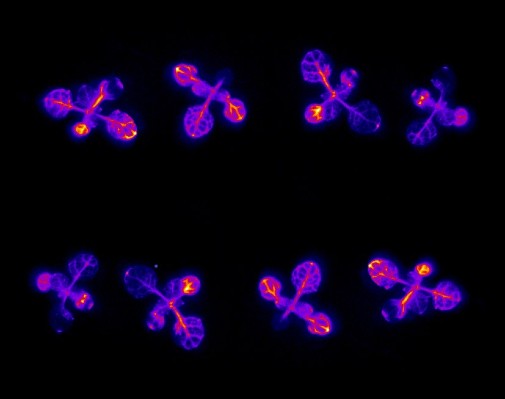
The research - involving scientists from the University of York - suggests this signal might provide important information to the plant about the amount of sugar available at dusk and therefore how to adjust metabolism to last the night.
Plants use sunlight to make their own sugars from photosynthesis during the day and store them to provide energy during the night.
Circadian
The ability to predict sunrise and estimate the duration of the night, and fine-tune metabolism accordingly, is critical for plant survival and to maximise growth. This depends on a biological time-keeper called a circadian clock which is an oscillating gene network which drives rhythms of about 24 hours.
Dr Mike Haydon, formerly from the Department of Biology, University of York and now based at the University of Melbourne said: “We think this metabolic signal is acting rather like setting an alarm clock before bedtime to ensure the plant’s survival.
“Plants must coordinate photosynthetic metabolism with the daily environment and adapt rhythmic physiology and development to match carbon availability.”
To understand how sugars alter the circadian clock, the researchers measured gene expression in seedlings while modifying photosynthesis or sugar supply.
Genes
They discovered a set of genes known to be regulated by the chemical compound, superoxide, a molecule associated with metabolic activity. Most of these genes are active in the evening, including key genes that act in the circadian clock. They found by inhibiting the production of superoxide, they also inhibited the effect of sugar on these circadian clock genes in the evening.
Professor Ian Graham from the Department of Biology’s Centre for Novel Agricultural Products added: “Distinguishing the effects of light and sugars in photosynthetic cells is challenging. Our data suggest a new role for superoxide as a rhythmic sugar-related signal which acts in the evening and affects circadian gene expression and growth.”
The research was conducted on Arabidopsis (thale cress) which is a small flowering plant related to cabbage and mustard.
The research was funded by BBSRC (BB/L021188/1)