Department of Biology

- Department of Biology
- Research and impact
- Infection and Immunity
- Maitland, Professor Norman J
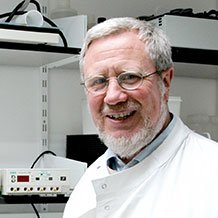
Professor Norman J Maitland
Emeritus Professor
Visit Professor Norman J Maitland's profile on the York Research Database to:
- See a full list of publications
- Browse activities and projects
- Explore connections, collaborators, related work and more

Profile
Career
| 1991 - 2019 | Professor of Molecular Biology, Director YCR Cancer Research Unit | Department of Biology, University of York |
| 1989 - 1991 | Senior Lecturer in Molecular Pathology | Department of Pathology, University of Bristol |
| 1983 - 1989 | New Blood Lecturer in Molecular Pathology | Department of Pathology, University of Bristol |
| 1977 - 1983 | Cancer Research Campaign Research Fellow | Department of Genetics, University of Edinburgh |
| 1976 - 1977 | Robertson Research Fellow | Cold Spring Harbor Laboratory, New York |
| 1974 - 1977 | PhD in Cancer Studies | University of Birmingham |
| 1970 - 1974 | BSc Biochemistry (First Class Hons) | University of Glasgow |
Research
Overview
My research in the YCR Cancer Research Unit was focused on the development and aetiology of human prostate cancer. Our overall approach was to separate the tumour (and the corresponding normal tissue) into its cellular components, and to study the role played by different cell types. Of particular interest were the roles played by epithelial stem cells and the hormone-sensitive stromal cells within the tumour and normal prostate. We compiled gene expression profiles for the various cell types using the Affymetrix platform, and mined this data for genes and signalling pathways which affect cell fate. Much of our research was concerned with hypothesis testing, based on the identified genes from this study, using complex multicellular models in vitro and developing xenograft models of the tumour. Clearly fate-altering genes also have therapeutic significance, and in a spin out company (Pro-Cure Therapeutics, founded in 2001) an associated research team are developing novel cancer stem cell treatments, based on the output of the YCR Research. There is a close collaboration between the two groups. As part of an International collaboration, coordinated from York, we are also developing novel biotherapies for prostate cancer, based on targeted and stealthed viral vectors, which allow us to either focus gene expression in specific cells within a tumour, or to engineer viruses to replicate only in tumour cells (oncolytics).
Discoveies
We have shown that heterogeneity within human prostate cancers is due to both carcinogenic changes but also aberrant differentiation, which are two independent events. Current therapies are directed against the majority of cells in the tumour (the most differentiated cells) but do not affect the minority population, which are the tumour initiating cells or cancer stem cells. Thus these cells form a root for post therapy recurrence. By exploiting our gene expression profiling of these cells we have designed potentially novel treatments, which could delay or even prevent tumour recurrence. However we have also shown that the cancer stem cells have an active resistance mechanism to many therapies, such as radiotherapy and chemotherapy. By exploiting a novel ex vivo human blood loop system we have shown that a powerful complement response can eliminate the therapeutic doses of gene therapy vectors, and that co-inoculation with 2 complement inhibitors can block this effect (not seen in mouse models).
Projects
- In Vitro Models of Human Prostate Carcinoma including Isolation Characterisation of Stem Cells (Funding body: Yorkshire Cancer Research)
- The Molecular Basis of Metastasis in Human Prostate Cancer (Funding body: NCRI/Yorkshire Cancer Research)
- DNA Damage Response in Prostate Cancer Stem Cells (Funding body: Yorkshire Cancer Research)
- Prostate Research Organisations - Network of Early Stage Training (ProNest), Marie Curie (Funding Body: European Union)
- Mapping the Epigenetic Lanscape in Prostate Cancer Stem Cells (Funding Body: The Freemasons Grand Charity/Yorkshire Cancer Research)
- Targeting the PTEN/AKT/m/TOR pathway in human prostate cancer (Funding Body: BBSRC Industrial CASE Studentship with Astra Zeneca)