Humanities Research Centre

- Humanities Research Centre
- How we support our postgraduate students
- Opportunities
- HRC project grants
- Project grants awarded
- Environmental Art and Activism: Imagining Anthropocene Futures
Environmental Art and Activism: Imagining Anthropocene Futures
Catherine Love-Smith and Felicia Liu
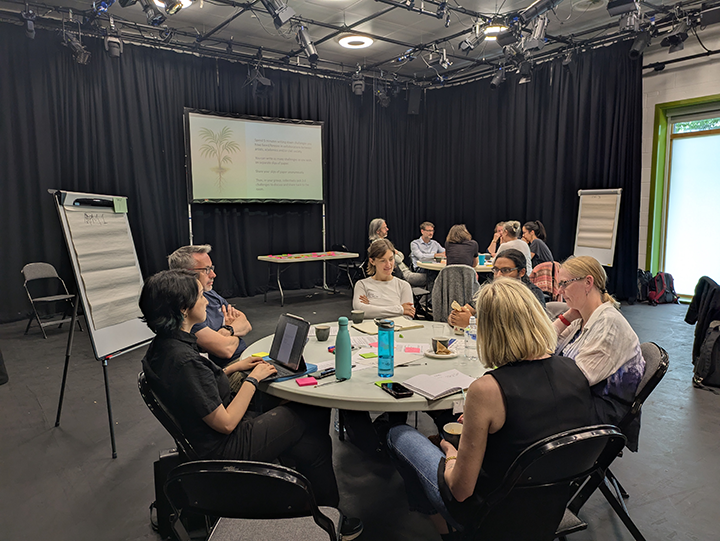
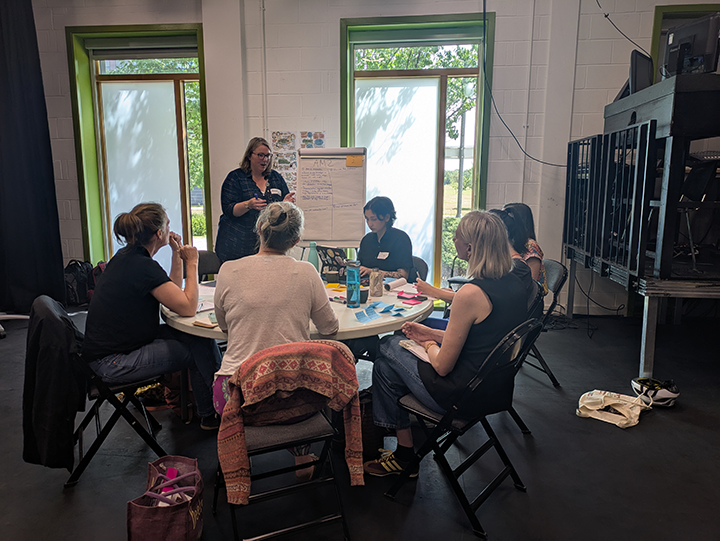
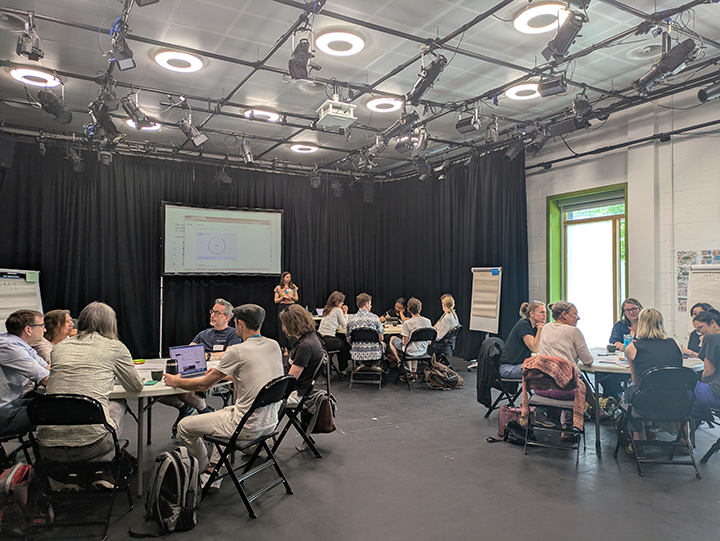
At a time of escalating climate and ecological crisis and in a hostile environment for protest, what role can art play in addressing urgent environmental issues? Our research team hosted two workshops in Malaysia and the UK to explore this question. On 13-14 May 2025, we ran a two-day workshop at the British Council Malaysia in Kuala Lumpur, followed by a workshop at the University of York on 20 June. Both events included artists working across a range of media and academics from a variety of disciplines, as well as representation from environmentalist movements or organisations. The aim was to investigate how artivism – the fusion of art and activism – can serve as a powerful tool for climate communication, education, and resistance.
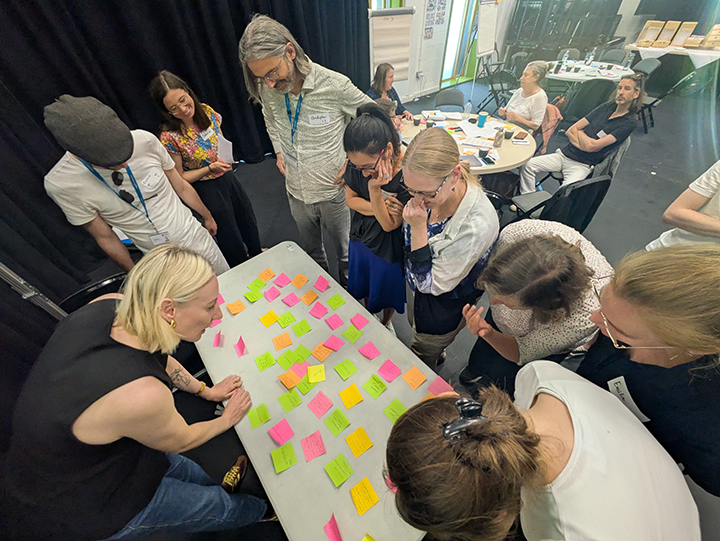
Interactive sessions allowed participants to examine how art can influence everything from government policy, to holding corporations accountable, to changing personal behaviour. Discussions in Kuala Lumpur focused on how art can serve as a bridge, connecting disciplines, sectors and geographies. In building this ‘bridge’, participants stressed the need for equity and empowerment in collaborations across art, science and activism, creating inclusive spaces where marginalised voices are genuinely heard. Furthermore, participants raised the need to carefully conceptualise the role of ‘art’ in environmentalism, so that art isn’t treated as a mere communication, educational, or activism tool, but as a site of knowledge and action offering vital perspectives on environmental challenges and solutions.
The York workshop saw similar themes. Participants grappled with the challenges posed by collaborations across art and academia, noting that these collaborations are sometimes difficult but can also be rewarding. They discussed the importance of openness and dialogue in such partnerships, as well as the need for resources to support the time and space needed for genuine co-creation of knowledge. As in Malaysia, many participants voiced the desire to break down arbitrary ‘art science’ binaries and knowledge hierarchies, with the aim of respecting and valuing different kinds of knowledge. These insights led to questions about what impact really looks like and how it is measured.
As governments worldwide tighten controls on speech and climate action, the lessons from Malaysia resonate far beyond the region. Our workshops showed how Southeast Asian environmental artists, activists, and researchers can offer unique lessons about how art can help people both imagine and mobilise towards alternative futures.
Moving ahead, we hope to foster more knowledge exchange between Malaysia and UK-based workshop participants. We are developing a framework for ethical artivist collaborations between artists and academics, co-authored with everyone who contributed their knowledge to the workshops. Building on a core, interdisciplinary team between the University of York (Felicia Liu, Catherine Love-Smith, Christopher Lyon), LSE (Thomas Smith), Universiti Malaya (Helena Varkkey) and Malaysia-based artist and curator Jakob van Klang, we aim to continue these relationships through a York Environmental Sustainability Institute (YESI) network.
- If you’re interested in joining this network, please complete this Google form.