School for Business and Society

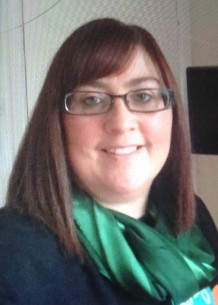
Liz Turnbull
- PhD student
Profile
Thesis supervisors
Thesis Title
The lived experiences of disabled people: obtaining and maintaining work in the creative industries.
Research
Research topic
Jobs within the Creative Industry for disabled creatives
Research interests
-
Sociology of Disability: Exploring the social model of disability, neurodiversity in the workplace, and the dismantling of ableist structures within professional environments.
-
Creative Labour & Cultural Production: Investigating the precarity, and the specific barriers faced by marginalised practitioners in the UK arts sector.
-
Lived Experience & Narrative: Utilising qualitative frameworks to centre the first-hand accounts of disabled individuals in policy and academic discourse.
-
Inclusive Methodologies: Developing ethical, accessible, and narrative research methods.
-
Social Psychology of Identity: Understanding how professional identity and self-perception are navigated by disabled creatives.
Biography
Biography
My academic journey at York began in 2017, providing a deep-rooted foundation for my current doctoral specialisation. I first completed a BA in Sociology with Social Psychology (2020), which sparked my interest in how individual identities are negotiated within social structures. Building on this, I earned an MA in Social Research (2022), where I refined the methodological rigour necessary to handle complex, qualitative data. This long-term affiliation with the University of York has allowed me to develop a robust, interdisciplinary approach to social justice and the evolving world of work.
I am a doctoral researcher within the School for Business and Society at the University of York, where my work explores the critical intersection of disability, labour, and cultural production. My current research focuses on the lived experiences of disabled creatives within the UK’s creative industries. By centring the voices of those navigating these professional spaces, I aim to uncover how structural barriers and ableist norms shape creative careers, while also highlighting the agency and resistance inherent in disabled creative practice.
Beyond the data, my work is driven by a commitment to inclusive research practices and the belief that the creative arts must be accessible to all talent. I am particularly interested in how industry standards often exclude neurodivergent and disabled professionals and what policy changes are required to foster a truly equitable cultural landscape. When I am not immersed in my thesis, I am active in the wider research community, seeking to bridge the gap between academic theory and the real-world experiences of the UK’s creative workforce.