
Department of Psychology

Translating research to practice: supporting neurodivergent learners with the challenges of school life
Wednesday 18 February 2026, 4.00PM to 5:00 PM
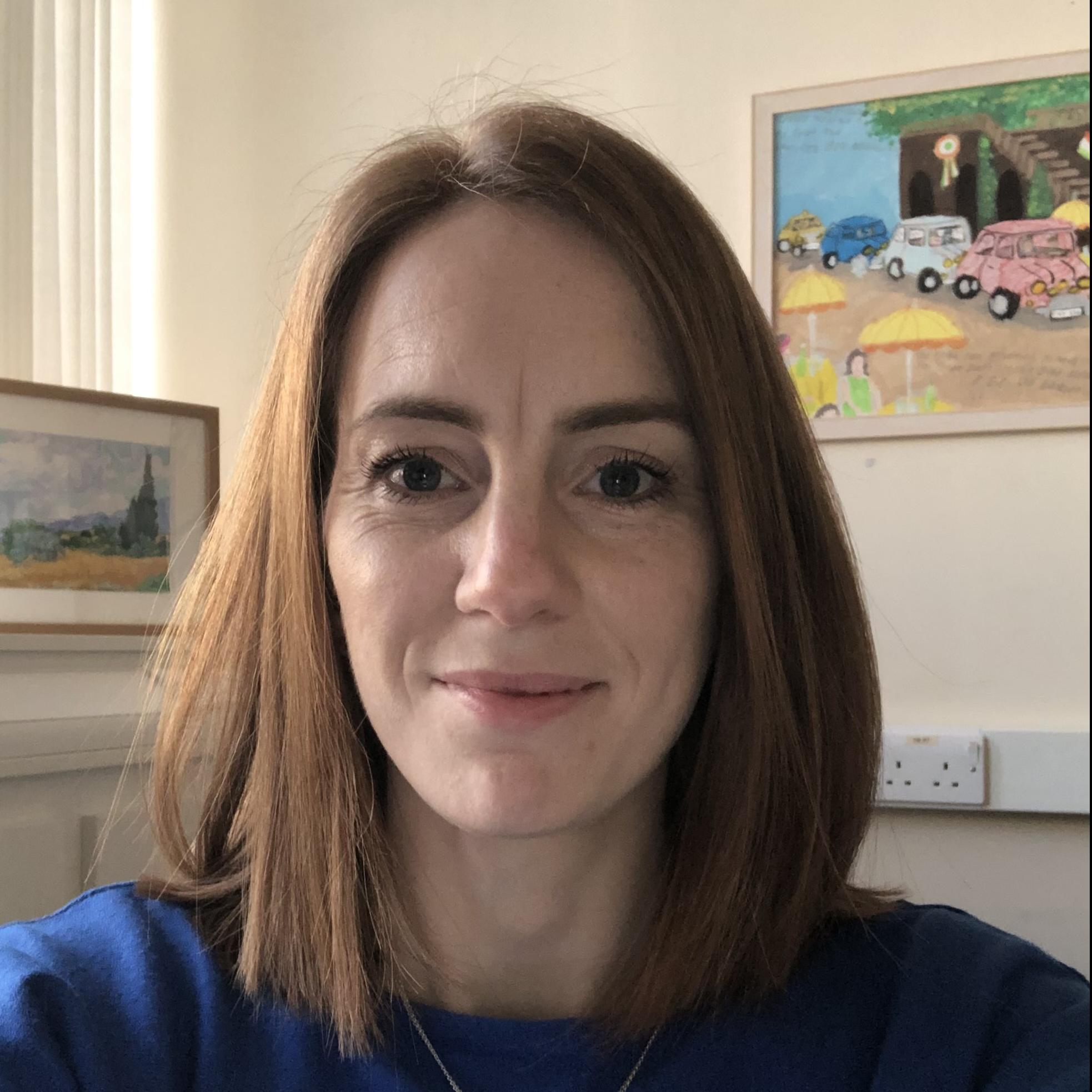
Speaker(s): Professor Mary Hanley
School can be a particularly challenging environment for neurodivergent learners.
This is often not due to the academic demands of learning, but challenges with
school life. For instance, school is a busy, unpredictable and complex multi-sensory
environment. This presents unique challenges for autistic and neurodivergent
learners because this diverse group of children and young people (CYP) tend to
have differences and difficulties with attention, sensory arousal, and anxiety (what
we refer to as Triple-A). Research from our group has shown the kinds of impacts
that differences with attention (Hanley et al., 2017; McDougal et al., 2020 a), sensory
arousal (Jones et al., 2020; McDougal et al., 2020b; Waddington et al., 2025) and
anxiety (Jones et al., 2020; McDougal et al., 2020b; Waddington et al., 2025) can
have at school. We argue two key things – to support autistic and neurodivergent
learners these issues should be considered together, and the impact of the school
environment itself must be taken into account (Hanley et al., 2025; Jones et al.,
2024).
In this talk, I will give an overview of our research on these issues and how we have
gone about translating this evidence to impact– mainly via our Triple-A online training for educators (www.tripleadurham.co.uk; Hanley et a;., 2025). Triple-A is a co-produced training package (with non-academic and academic stakeholders) which provides evidence-based psychoeducation as well as a suite of practical support strategies. Since launching in 2022, Triple-A has reached over 9000 users, mostly in the UK (but also internationally) and the evidence of impact is very positive.
I will talk about this impact journey, and how it has led to new research on how school distress can lead to attendance difficulties (Fielding et al., 2025), and how our research to impact journey continues to evolve.
Location: PS/B/020
Email: mary.hanley@durham.ac.uk