
Centre for Renaissance and Early Modern Studies

Ageing and Sexual Dysfunction in Early Modern Literature
Wednesday 25 March 2026, 1.00PM to 3:00 PM
Speaker(s): Ezra Horbury, University of York
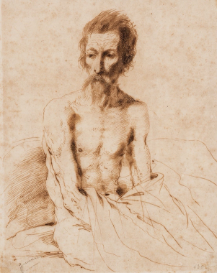
In early modern culture, old age was commonly associated with a loss of sexual function. Building on attitudes stretching back to classical texts, early modern culture understood ageing sexuality as comically inappropriate and the ageing body as sexually dysfunctional. While legal and medical writings sought objective metrics for measuring penile ‘impotence’, literary texts instead aimed to regulate the sexual behaviours of ageing men through comic mockery. Such texts imagined ageing sexuality through a wide and colourful range of derogatory metaphors, transforming a private body part into the subject of public discourse and generator of comic culture. This paper considers early modern literary conceptualisations of ‘impotence’ in ageing men, as analysed through the framework of disability and transgender theory; such frameworks offer alternative understandings of penile sexuality that deprioritise penetration. In analysing plays and poetry, this paper tracks strategies that control ageing sexuality through comedy, their attempts to render the ‘impotent’ penis publicly visible by displacing it onto other visual markers of ageing, the perceived intersection between sexual dysfunction and disease, and some of the few alternatives imagined by early modern culture for non-penetrative ageing sexuality. This paper ultimately finds early modern literary culture recurrently derogatory about ageing male sexuality, but argues that this material offers a greater understanding of early modern attitudes to the intersection of age, sexuality, and genital function.
Ezra Horbury is a Lecturer in Renaissance Literature at the University of York. Their research interests span theology and theories of gender and sexuality. They are the author of two monographs, Prodigality in Early Modern Drama (Boydell and Brewer) and Reading the Margins of the Early Modern Bible (Oxford University Press/Liverpool University Press). Their articles have been published in journals including Shakespeare Quarterly, Harvard Theological Review, and Transgender Studies Quarterly.
Book in-person attendance
Book online attendance via Zoom
Location: H/G15, Heslington Hall and Zoom
Email: crems-enquiries@york.ac.uk