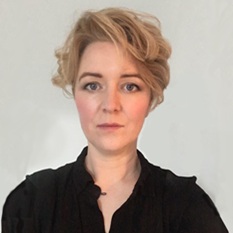
Dr Julia Udall
Lecturer in Architecture History and Theory
Profile
Biography
Julia Udall is an architect, researcher and educator whose work asks how architecture can cultivate more just relationships between people, place and human and more-than-human communities. Drawing on architectural theory, feminist and posthumanist thought, and scholarship across the environmental humanities, she examines how architecture can contribute to climate and environmental justice through practices of care, commoning and stewardship.
Working across research, teaching and architectural practice, Julia develops transdisciplinary methods for learning with places. Her projects bring different knowledge practices into dialogue—including those of architecture, the arts, sciences and local communities—to explore how care, commoning and creative inquiry can contribute to ecological restoration, neighbourhood regeneration and community economies. She has a particular interest in creative methods of research, including listening, making and collective experimentation, as ways of generating knowledge and cultivating reciprocal relationships.
Julia is a Director of Studio Polpo, an architecture and research practice that develops collaborative projects across design, culture and environmental research. She has led research with local authorities, environmental organisations, cultural institutions and community partners across the UK and Europe. Her work brings together research, design and cultural practice through collaborations with organisations including Sheffield Theatres, the British Council, Future Architecture Platform and Future Observatory, and has been supported by the Arts and Humanities Research Council, the British Academy and the European Union.
At York, Julia teaches across architectural history and theory and design studio. She is interested in how historical and theoretical perspectives inform contemporary architectural practice, and encourages students to engage critically with architecture as a cultural, political and environmental practice. Her teaching combines historical inquiry, creative experimentation and situated learning, helping students develop design approaches that respond to the social and ecological challenges of the present.
Research
Overview
Research Interests:
- Architectural theory
- Environmental humanities
- Climate and environmental justice
- Transdisciplinary research
- Commoning and community economies
- Ecological restoration and neighbourhood regeneration
- Creative research methods
- Sonic methods and listening
- Civic infrastructures, care and stewardship