Over 45 staff work in our Department, with research and teaching spanning 1,600 years of history from across the world.
Find contact details and explore who does what.

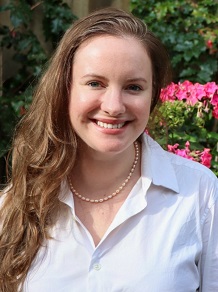
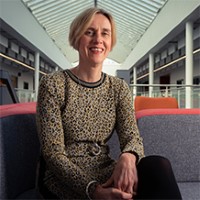
Research interests:
Caribbean history; post-colonial history; race and ethnicity; social history
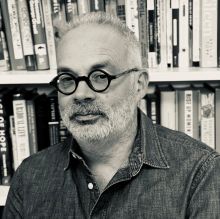
Research interests:
Political Culture; Consumerism; modern Britain

Professor of Early Modern History
Exceptional Circumstances Chair
Discipline: Early modern history
Research interests:
Early Modern Europe; Violence; Emotions; Civil Society
Research interests:
Empire; history of science; medicine and technology; modern Britain; expertise
Research interests:
Economic history; environmental history; history of Hong Kong; history of Britain
Deputy Head of Department
Professor of Early Modern History
Harassment Officer
Discipline: Early modern history
Research interests:
Animal history; cultural history; Spanish Empire; history of science
Professor Emeritus in History

Research interests:
Economic history; medieval Central Asia; Imperial China; history of the Silk Roads

Head of Technical Design
Research interests:
Centre for the Study of Christianity and Culture
Deputy Director CSCC
Research interests:
Parish church history; late mediaeval/early modern stained glass; parish libraries; Jewish history in York and northern England

Lecturer in the History of the United States of America
Deputy Chair of the Board of Studies
Lecturer in Modern History (post 1800)
Discipline: Modern history

Senior Lecturer in Chinese and Colonial History
Chair of the Board of Studies
Discipline: Modern history
Research interests:
Chinese history; decolonisation; history of colonialism; social history

Research interests:
History of childhood; Archives and records; Participatory approaches; Memory studies
Research interests:
Gender history; history of print; early modern Britain; history of reading
Recruitment and Admissions Tutor
Reader of Modern History
Undergraduate Admissions Tutor
Discipline: Modern history
Research interests:
Britain and Ireland
Student Services Manager
Secretary to the Board of Studies
Senior Lecturer in Modern History
Undergraduate Programmes Leader
Discipline: Modern history
Research interests:
Decolonisation; Afro-Asian history; East Africa; transnational history
Chair of the Teaching & Assessment Committee
Lecturer in the History of Science and Medicine
Discipline: Modern history
Research interests:
Britain and Ireland, Asia, Middle East and Africa
Senior Lecturer in Modern History
Examinations Officer
Discipline: Modern history
Research interests:
The United States and Middle East
Lecturer in Modern Africa
Recruitment and Admissions Deputy Tutor
Discipline: Modern history
Research interests:
African history, social and environmental history, migration and belonging, oral history

Research interests:
Cultural history; religious history; sound and music; gender, mobility and multilingualism
Marie Skłodowska-Curie Experienced Researcher
Research interests:
Early Modern Central Europe; dispute settlement; violence; emotions

Technical Specialist
Lecturer in the History of Latin America
Major Churches Support Officer
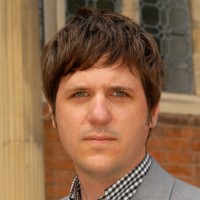
Professor of Modern History
Research Committee Chair
Discipline: Modern history
Research interests:
Modern Britain; history of social science; welfare states
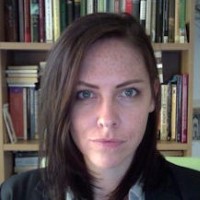
Senior Lecturer in Medieval History
Undergraduate Examinations Officer
Discipline: Medieval history
Research interests:
Europe

Senior Lecturer in Modern History
Employability and Careers Officer
Discipline: Modern history
Research interests:
Modern Poland and East-Central Europe; Modern Germany; Minorities (ethnic, national, cultural); Forced Migration

Lecturer in Eighteenth Century and Public History
Discipline: Early modern history
Research interests:
Public History; Gender and social history; material culture and clothing; consumption
Centre Coordinator (Centre for the Study of Christianity and Culture)
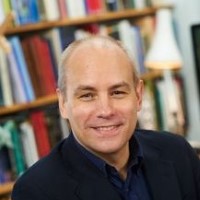
Research interests:
French and English cultural history; political history; gender; chivalry and aristocracies
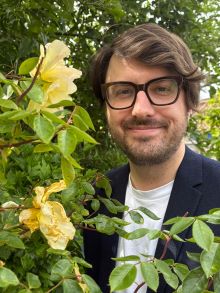
Senior Lecturer in Early Modern History
Impact Officer
Discipline: Early modern history
Lecturer in Medieval History
PGT Chair (inc. Postgraduate Assessment Officer)
Discipline: Medieval history
Research interests:
Britain and Ireland, Europe
Research interests:
Britain and Ireland
Research interests:
Modern Britain; Black British history; urban history; cultural history





.jpg)