Open Days
Uncover the deepest forces of nature and probe the wonders of the universe. Take the lead in science crucial to society, from healthcare technologies to tomorrow's sustainable energy solutions.


At York, you’ll be taught by researchers who are applying physics to big societal challenges, like climate change and secure quantum communications. They’ll teach you to analyse complex situations and propose real-world solutions.
Our academics collaborate closely with national and international partners, investigating key areas such as fundamental particle research and designing next-generation fusion reactors. Through close links with industry and professional training built into our curriculum, we’ll equip you with the knowledge and skills needed to excel in your chosen career.
Our Physics degrees start with core physics, mathematics, experimental laboratories and professional skills activities to achieve a broad understanding of the universe. You'll then be able to specialise in frontier physics, from fusion energy to superconductivity.
Our Theoretical Physics degrees will train you in methods to understand complex systems within physics. You’ll view the physical world using mathematical and computational tools enabling you to explore exciting topics such as computational quantum mechanics.
Our Physics with Astrophysics degrees give you an understanding of the physical processes at work in the universe. You can explore topics including outstanding questions in cosmology, exoplanets, and nucleosynthesis.
Philosophers are fascinated by the conceptual issues raised by physics, and some of the greatest physicists have been concerned with philosophical questions. Our Physics and Philosophy courses allow you to discover how both approaches help illuminate the nature of reality.
Our Mathematics and Physics degrees will develop a deep appreciation of both subject areas. You'll be introduced to the most mathematically advanced methods in order to solve exciting problems in physics. You'll split your learning between Mathematics and Physics, receiving training from specialist staff in both subject areas.
Our foundation year course offers a route into physics if you're missing relevant qualifications.
Or search all undergraduate courses
You can choose to study a three-year Bachelor of Science (BSc) degree, or a four-year Master of Physics (MPhys) which gives you the opportunity to gain a Masters-level qualification and challenges you to study your subject to a deeper level.
You can add a year in industry or a year abroad to broaden your academic and social horizons.
If you're studying at a university outside the UK, you may be able to spend up to a year in York as a visiting student.
Find out about scholarships and studentships that are available to students in the School of Physics, Engineering and Technology.
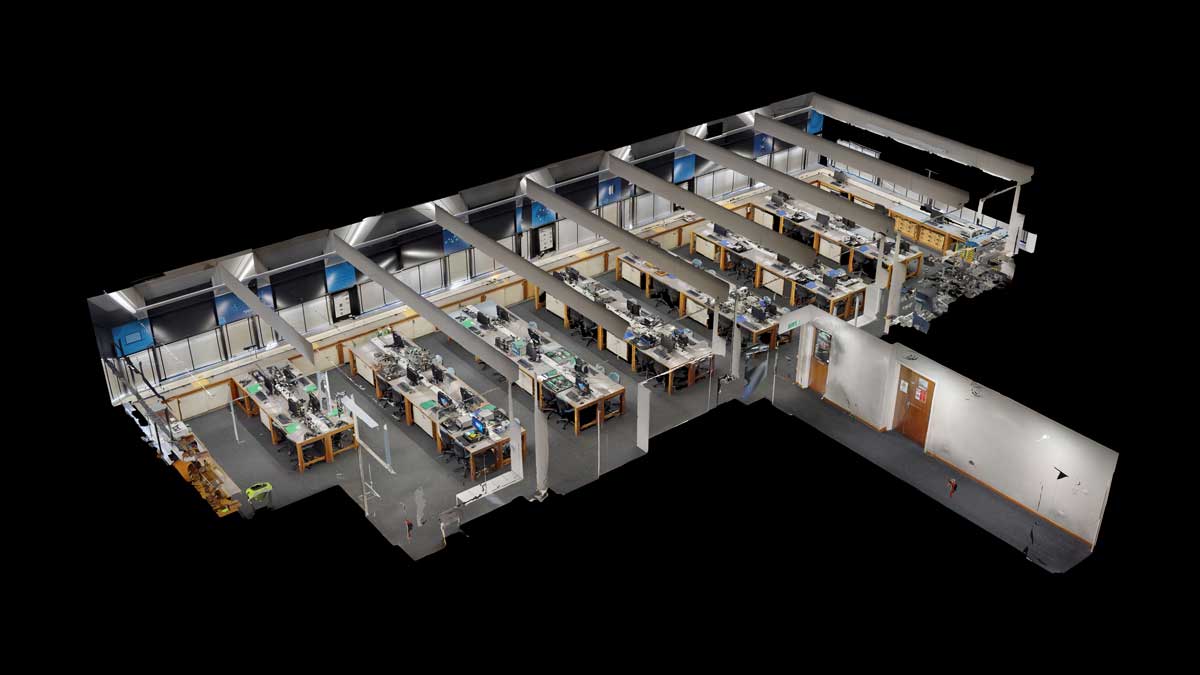
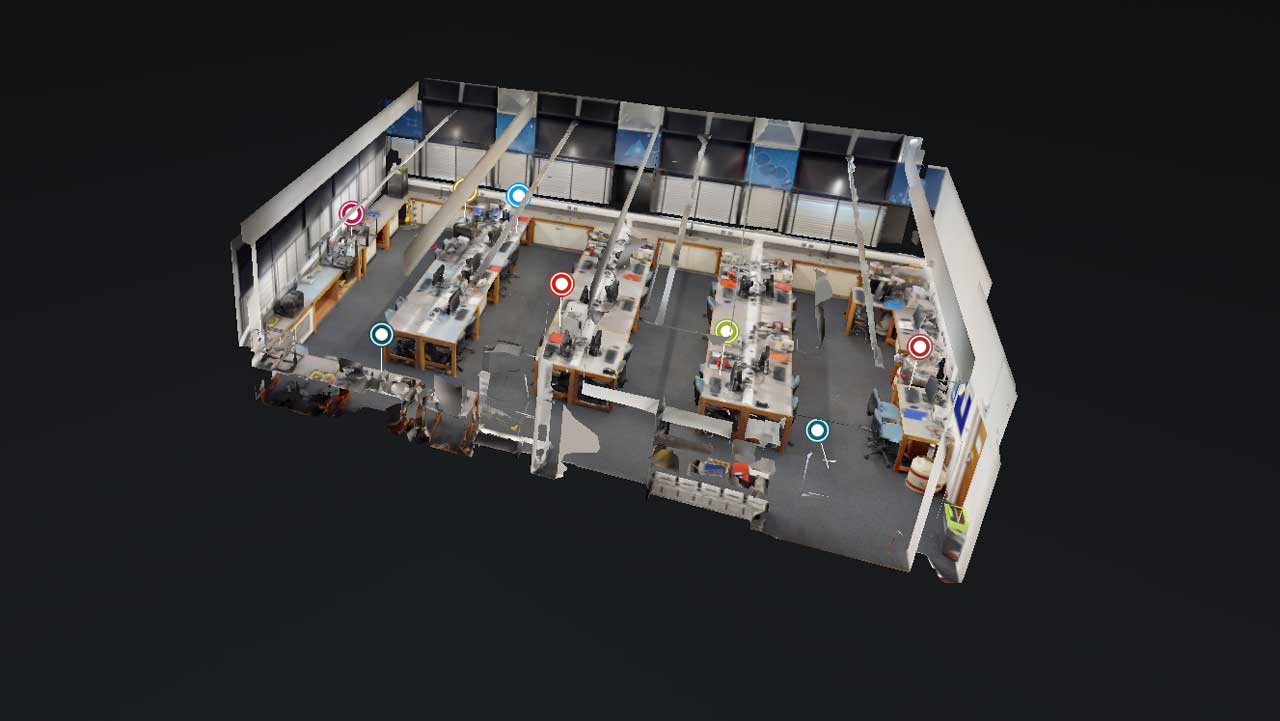
Delve deeper into the fundamental forces of nature in our industry-standard facilities. Hone your skills in our modern, dedicated laboratories such as the Atomic and Nuclear Lab, computational laboratories, and Astrocampus.

Find your career advantage: Turn ambition into achievement with our expert guidance and connections. From your first day here to life after graduation, we’ll help you succeed.
Hear what our students and graduates have to say about studying with us.

The support in lab sessions is incredible... Being able to investigate a problem and feel like you’re experimenting with a proper purpose, all [while] knowing there’s help available every step of the way, is such a confidence booster, and it makes labs super exciting!

The York Aerospace and Rocketry Society does amazing social events most weeks, including designing and building model rockets. You can also go to launch days where you and the team actually get to launch the models you’ve built!
Delve into areas of current physics research and how they can shed light on the fundamental nature of the universe.
Explore what higher education is all about. Get tips for making the most of your university life.