

Staff Research Interests
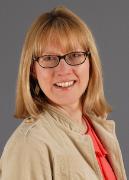
Dr Kate Arnold
Kathryn's research focuses on the impacts of social and environmental factors on behaviour, stress physiology, reproductive success, and susceptibility to oxidative damage. Current projects are investigating the effects of pollution and pharmaceuticals in the environment on vertebrates. Previous studies have demonstrated the downstream impacts of early nutrition, driven for example by climate induced changes in prey abundance, on individual fitness. She is particularly interested in utilising state of the art techniques for measuring antioxidant levels, oxidative stress and disease prevalence in small vertebrates. Profile in York Research Database

Dr Roman Ashauer
Roman investigates the fate and effects of synthetic chemicals in the environment with the aim to formulate general principles of ecotoxicology. This improves environmental risk assessment of chemicals and facilitates sustainable design of chemicals. Typically the research consists of mathematical modelling and laboratory experiments combined with some field work.
Some current research questions are:
- Why do organisms differ in their sensitivity to chemicals?
- What are the general principles that govern toxicity of different chemicals?
- How do critical transitions propagate from cells to organisms and ecosystems?
- How can we improve quantitative in-vitro to in-vivo toxicity extrapolation?
Profile in York Research Database
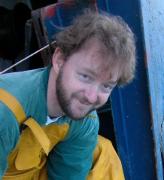
Dr Bryce Beukers-Stewart
Bryce joined the Department from the Marine Conservation Society and the University of Liverpool in October 2007. He is a marine ecologist and fisheries biologist with particular interests in the ecology of coral reef fishes, the management of fisheries and the effects of climate change on marine communities. Much of his research over the last decade has focused on the utility of predictive models, marine protected areas and stock enhancement for improving the management of scallop fisheries. He is also active in promoting the sale and consumption of sustainable seafood and examining the effect of this practice on the management of fisheries. He has published widely in scientific journals and also disseminates his research to a broader audience through the media and popular articles. Bryce is a scientific adviser to the UK National Scallop Group and a member of the Defra Marine Fisheries Science Advisory Group.
Profile in York Research Database
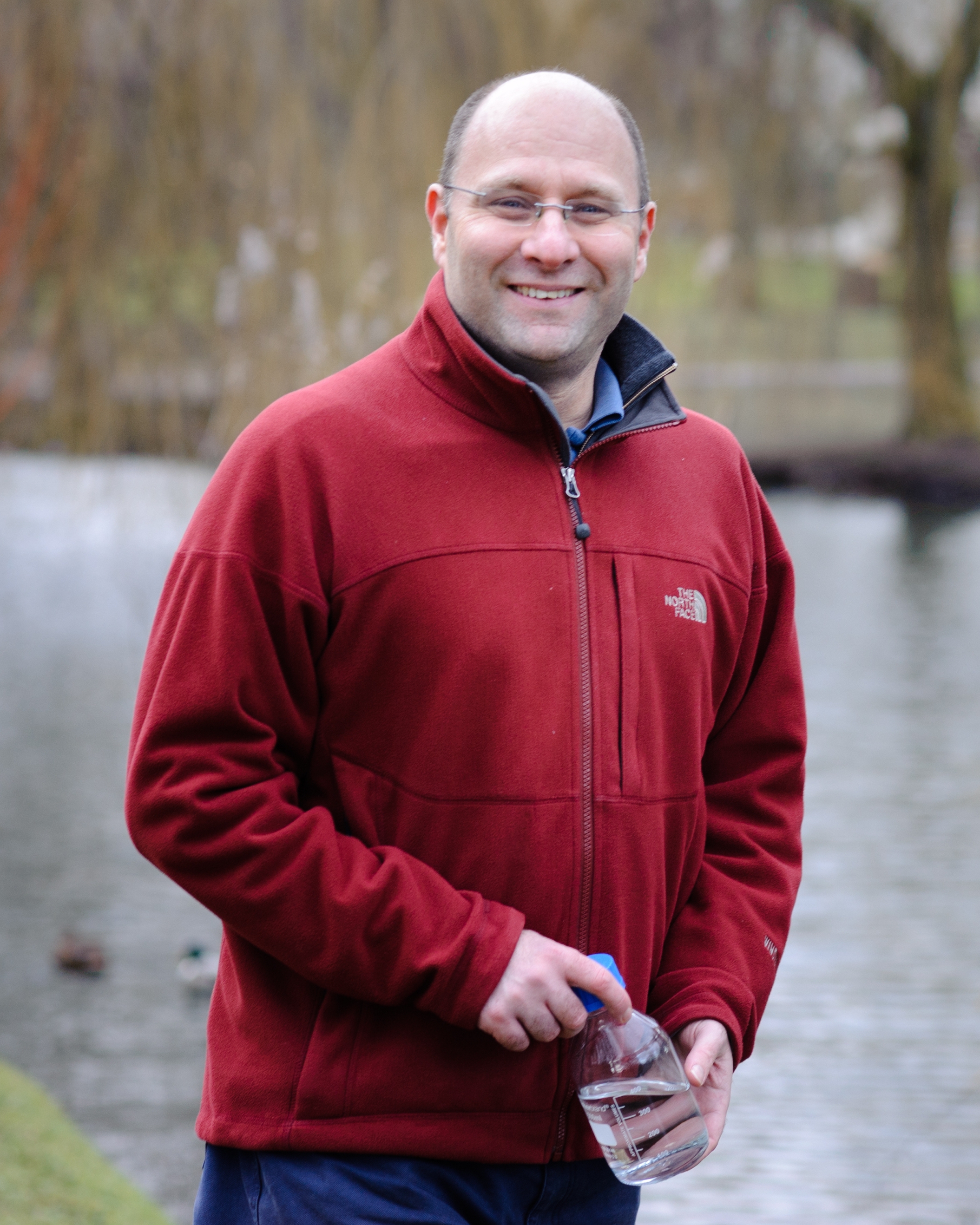
Professor Alistair Boxall
Alistair’s research focuses on understanding emerging and future ecological and health risks posed by chemical contaminants in the natural environment. Alistair is a member of the Defra Advisory Hazardous Substances Advisory Committee and is Chair of the Pharmaceutical Advisory Group of the Society of Environmental Toxicology and Chemistry. He regularly advises national and international organisations on issues relating to chemical impacts on the environment and has published extensively on the topic of emerging contaminants (pharmaceuticals, nanomaterials and veterinary medicines) in the environment. Alistair is co-ordinator of the 3.5 M Euro project 'CAPACITIE' which is exploring methods for monitoring pollution in cities.
Profile in York Research Database
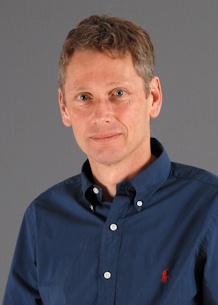
Professor Colin Brown
Colin undertakes research into the fate and effects of chemicals in the environment involving catchment-level monitoring, field manipulation experiments, lysimeter experiments, laboratory-based process investigations and development of models and risk assessment methods. His research has a strong policy-based focus; he has been involved in the development of ecological risk assessment in the UK and Europe and his research has contributed to the introduction of regulatory and management approaches to minimising environmental contamination by pesticides.
Profile in York Research Database
Dr Nicola Carslaw
Nic Carslaw is an atmospheric chemist specialising in air pollution. Her research group develop and use models that aim to elucidate the key features of chemical processing in air. She has carried out modelling studies in support of major outdoor field campaigns over the last 20 years. These studies have aided the interpretation of measurements and identified key uncertainties in our understanding of atmospheric processes. She is also interested in indoor air pollution, particularly the chemical processes that lead to high concentrations of potentially harmful pollutants. She is currently a member of the department of Health's Committee on the Medical Effects of Air Pollution (COMEAP).
Profile in York Research Database
Professor Malcolm Cresser
Malcolm is an environmental scientist with particular interests in modelling spatial and temporal variations in river water chemical quality for catchment management purposes, biogeochemical cycling of nutrient elements (especially nitrogen, and particularly in the context of long-term soil sustainability and environmental protection), validity of the use of nitrate vulnerable zones by policy makers, quantifying effects of atmospheric and soil pollution on the functioning of soil/plant/water systems, especially in UK uplands, and science-based archaeology. His research is highly interdisciplinary, and as a consequence he is a Fellow of both the Royal Society of Chemistry and the Society of Biology. He has written nine books and more than 320 research papers, serves on the editorial boards of a number of journals, including the Science of the Total Environment and Chemistry and Ecology, and has served on a number of DOE/DETR (now DEFRA) advisory groups and national and international Research Council committees and visiting groups.
Profile in York Research Database
Dr Lisa Emberson
Lisa has enjoyed a joint appointment with the Environment Dept. since Oct 2000; she is also a senior research fellow in the Stockholm Environment Institute (SEI), an institute affiliated to the Biology Dept. at York. Lisa performs research in the field of air pollution focussing on the effects of ground level ozone (O3) and other air pollutants on agricultural yields, nutritive quality and food security, forest productivity and the functioning of terrestrial semi-natural ecosystems. This work is conducted across the globe but with a focus in south Asia, southern Africa and Europe. The work concentrates on modelling the physical impacts resulting from air pollution and incorporates socio-economic impact assessments to ensure policy options consider both larger (national, international) scale economic impacts and the local scale livelihood vulnerability impacts. Lisa also retains an active research role in Europe, developing risk assessment methodologies for use within the UNECE LRTAP Convention to develop critical levels for ground level O3in relation to vegetation. This research focuses on developing methods to estimate both the total deposition and stomatal deposition of tropospheric O3 using flux based risk assessments as a policy tool across Europe. This European work provides a platform for capacity building through transferring knowledge and methodologies developed in North America and Europe to developing country regions (e.g. south Asia and southern Africa).
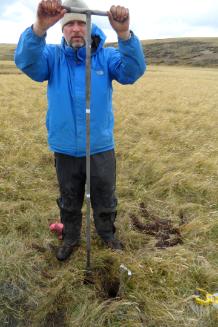
Professor Roland Gehrels
Roland is a geologist and a physical geographer specialising in sea-level changes, in particular: (i) Recent accelerations of sea-level rise; (ii) Rapid sea-level change during interglacials; (iii) Quantitative methods of sea-level reconstruction; and (iv) Patterns of Holocene relative sea-level change. He uses salt-marsh sediments, and the fossils preserved within, to reconstruct sea-level changes over decadal, centennial and millennial timescales. His work on recent sea-level rise is particularly relevant to societal issues related to future climate change and he is a contributing author of the sea-level chapter of the IPCC Fifth Assessment Report. Roland has worked along the coasts of Britain, eastern North America, Iceland, Norway, Denmark, Portugal, New Zealand, Tasmania and the Falkland Islands.
Profile in York Research Database
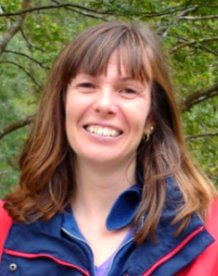
Dr Julie Hawkins
Julie’s research focuses on human impacts on marine ecosystems and how to reduce the problems these create. This includes: effects of fishing, how marine protected areas can help rectify failings of fishery management, extinction risk in the sea, impacts of tourism in general and of recreational scuba diving on coral reefs in particular, conservation management of manta rays and the effectiveness of locally managed marine reserves. Most of Julie’s personal field work has occurred in the Caribbean and Middle East but she has geographic interests through her students in the UK, the Maldives and the tropical Pacific.
Profile in York Research Database
Dr Jon Hill
Jon applies advanced numerical methods to understand the underlying chemical, biological and physical processes of natural systems. He has a diverse research background that spans High Performance Computing, sedimentology, oceanography and palaeobiology. His current research focuses are assessing the tsunami hazard to the UK from submarine slides in the Arctic and examining the environmental impact of wave and tidal energy devices. He also explore the physical oceanography of ancient epicontinental seas.
Profile in York Research Database
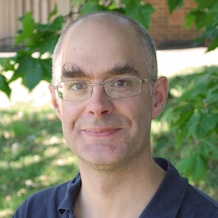
Professor Mark Hodson
Mark is a biogeochemist who works on the sustainability of soils. He has extensive research experience in: mineral weathering and soil development; behaviour and remediation of contaminants in soils; earthworm ecology and ecosystem services. Current and recent projects include:
- Drivers for changes in weathering rates of minerals through soil profiles
- Use of waste ochre to remediate arsenic contaminated soils
- Controls on the distribution of earthworms in soil pasture systems
- Earthworm – plant chemical communication
- Impact of arable farming on earthworm distributions and soil quality
- Effects of earthworms on soil chemistry
Profile in York Research Database
Dr Jasper Kenter
Jasper’s research focuses on understanding people’s economic, shared, social and cultural values of nature and integrating economic and broader social science and participatory approaches to assessing these values. He leads a team of researchers who have investigated these questions in marine, coastal, agricultural, moorland and other settings. They work with farmers, conservationists, fishermen, local communities, cultural heritage specialists and a wide range of policymakers and planners to more effectively integrate these values into decisions. Their work is funded by UK, Norwegian, Finnish and European funders and feeds directly into the Intergovernmental Panel on Biodiversity and Ecosystem Services.
Profile in York Research Database
 (2)_crop-240x180.jpg)
Dr Claire Hughes
Claire is a marine biogeochemist specialising in understanding the processes that control the emission of environmentally-significant trace gases from the marine biosphere to the atmosphere. Her work involves measuring trace gas concentrations in seawater during ship- and land-based field campaigns and carrying out laboratory experiments to improve understanding of their sources and sinks.
The ultimate aim of this work is to determine the magnitude of the oceanic source of key trace gases so that their impact on processes taking place in the atmosphere such as ozone depletion and secondary aerosol formation can be established.
The majority of Claire’s research has been done on the volatile halogens but she has also worked on the alkyl nitrates and dimethyl sulphide (DMS).
Claire’s work has recently focused on the western Antarctic Peninsula but she has also carried out research in the Arctic, tropical Atlantic, north Atlantic and a freshwater lake in southeastern England.
Her most recent research was aimed at assessing the impact of a climate-induced change in phytoplankton community structure on biogenic bromine emissions from coastal waters of the western Antarctic Peninsula.
Profile in York Research Database
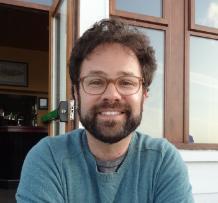
Dr Joshua Kirshner
Joshua's research spans geography, planning and development studies, and is organized in three subthemes. First, his work on extractive industry, informed by critical resource geography and urban theory, examines urbanization, infrastructure and social change around extractive sites with an empirical focus on southern Africa. His second focus is on energy and development, including electrification, energy poverty and transitions to lower carbon. His past work has examined rapid urban migration and integration, particularly in cities of the global south. He has carried out research and published articles on Bolivia, Brazil, South Africa and Mozambique.
Profile in York Research Database
Dr Rob Marchant
Rob's research and teaching interests focus on the theme of vegetation dynamics and ecosystem change. He uses palaeoecology, vegetation modelling, archaeological, biogeographical and ecological data to determine the role of past events in shaping the present day composition and distribution of tropical vegetation. He moved through postdoctoral positions at the University of Amsterdam and Trinity College, Dublin until he moved to York in 2005 to establish the York Institute of Tropical Ecosystems – KITE. KITE now supports four postdoctoral and sixteen PhD fellows working in Colombia, Amazonia, Eithopia, Kenya, Tanzania and Uganda to understand process and character of ecosystem change. He is particularly interested in informing debates around use of natural capital, improved livelihoods and strengthening conservation.
Profile in York Research Database
Dr Andrew Marshall
Andy's research focuses on measuring ecosystem conservation success, through ecological and socio-economic survey, primarily in tropical forests. He established and directs CIRCLE (www.circle-conservation.org) with a mission to use scientific evidence to guide biodiversity conservation, animal welfare and environmental education. He also established and directs the Udzungwa Forest Project in Tanzania, which aims to protect tropical forests through ecological monitoring, habitat restoration, community education, and capacity building.
Profile in York Research Database
Dr Colin McClean
Colin's work involves spatial modelling across a range of diverse research areas from conservation ecology and biodiversity through land use modelling and terrain modelling to biogeochemistry. This has included: modelling the potential impacts of climate change on African and UK species; the application of a number of reserve modelling and selection algorithms to both marine and terrestrial conservation problems; the assessment of habitat connectivity in the face of changing climate; integrating spatial environmental datasets with population census and other administrative data to investigate environmental impacts on health and wellbeing; spatial analysis for environmental valuation.
Profile in York Research Database
Dr Karen Parkhill
Karen is a human geographer and uses qualitative methods to examine social and geographical dimensions of low carbon lifestyles and low carbon transitions. In addition, she explores how the public socially construct and engage with environmental and technocratic risks. Such risks include energy technologies (e.g. civil nuclear power, renewables), climate change, and climate engineering. The interaction of place, space and context underpins and flows throughout all of these interests. In addition, she is dedicated to the continued development of innovative qualitative research methods, mixed methods, and interdisciplinary research.
Profile in York Research Database
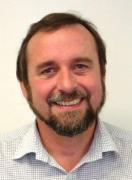
Professor David Raffaelli
Our natural environment provides a range of ecosystem services, including the food we eat, the clean air we breathe, the clean water we drink and swim in, as well as beautiful landscapes and biodiversity that inspire us to art and literature. Managing our ecosystems sustainably, in the face of a rapidly changing climate and the need to feed and house an expanding population, to optimise those benefits and to ensure options for future generations are not closed down, is Dave's research focus. The research involves field experiments and ecosystem modelling and addresses emerging issues like Big Data, with his team's findings feeding into national and international policy.
Profile in York Research Database
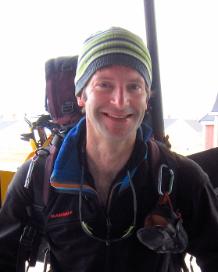
Dr David Rippin
David is a glaciologist, and much of his research is focussed on exploring what controls the dynamics of glaciers and ice-sheets. He is particularly interested in the role of subglacial roughness in controlling current and past flow rates in Antarctica and Greenland. He is also interested in the thermal evolution of small Arctic glaciers under a changing climate. Most recently, he has begun using modern photogrammetric techniques for monitoring glacier change, and in particular, has an interest in using these approaches on small Arctic glaciers. He is an editor of the Journal of Glaciology.
Profile in York Research Database
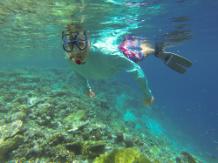
Professor Callum M Roberts
Callum's research looks broadly at human impacts on the oceans and what can be done to ameliorate them. His main areas of interest are on the impacts of fishing on species and habitats, fisheries management reform, biodiversity distribution and extinction risk in the sea, environmental history and its reconstruction, and the design and function of marine protected areas. As well as undertaking research, he writes books for a general audience on long-term, large-scale change in the sea, including The Unnatural History of the Sea, and Ocean of Life: How our Seas are Changing.
Profile in York Research Database
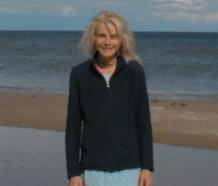
Dr Katherine Selby
Katherine's research focusses on reconstructing sea-level and coastal changes from different locations around the world. She has worked in Scotland, Newfoundland and Tanzania on saltmarshes, in back-barrier environments, coastal basins and mangroves. Katherine uses diatom and pollen analyses to identify changes in sea level over the past 10000 years. Katherine also has an interest in storms and how these have altered through time. Both sea-level change and increased storminess are key topical climate change issues and so obtaining detailed data on past events is crucial to aid our understanding and modelling of future scenarios.
Profile in York Research Database
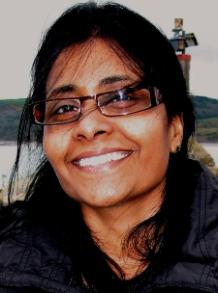
Dr Samarthia Thankappan
Samarthia’s research expertise is in the area of sustainability, policy and governance, providing coherent frameworks for highly innovative research into mechanisms to de-couple economic development from environmental deterioration to operate within ecosystem limits.
Her research focuses on three key areas:
- Sustainability and the agri-food sector, tackling a wide range of issues from climate change adaptation and mitigation to understanding the ways in which current behaviours may affect the sustainability of consumption and production systems in the future.
- Sustainability and the automotive sector exploring environmental, economic and social costs of enhanced transport systems.
- Environment, society & governance, examining the complexity and the impact of climate change policy on businesses in the supply chain and mapping social and knowledge flows in ecosystems.
Profile in York Research Database

Dr Karen Thorpe
Profile in York Research Database
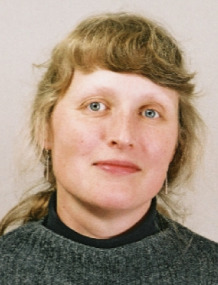
Dr Sylvia Toet
Sylvia is a systems ecologist interested in carbon, nutrient and pollutant exchange between ecosystem compartments to tackle environmental issues associated with pollution and global change. She uses an experimental approach to unravel the importance and drivers of ecosystem processes, particularly those involving gaseous compounds, using stable isotopes. She joined the Department in August 2004 and her research currently focuses on responses of methane and carbon dioxide fluxes to elevated ozone in peatlands and grasslands, and how they are controlled by the underlying processes.
Profile in York Research Database
Corrado Topi
Corrado focuses on sustainability, resilience and change in a context of integrated social, economic and environmental systems. He work with corporations and with cities and is particularly interested in collaborating with policy makers and corporate decisions makers on real world cases to make corporations, SMES and cities sustainable and resilient.research
Profile in York Research Database
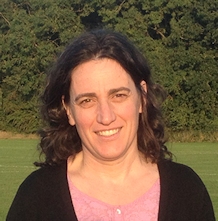
Dr Julia Touza
Julia is an Environmental Economist whose research explores environmental problems driven by economic factors, and evaluates the strategic behaviour of natural resource users/managers in a temporal-spatial context. She has worked on the dynamic optimisation of natural resource management, relationship between trade and global environmental change driven by invasive species, strategic interactions in environmental cooperation at local and international scale, economic analysis of forest disturbances (wildfires), stakeholder participation in decision-making, and cost-efficiency of conservation policies. She has held a Marie Curie Research Fellowship at the Helmholtz Centre of Environmental Research-UFZ (Germany), and visiting research posts at ecoSERVICES Group, Arizona State University (USA).
Profile in York Research Database

Dr Victor Tsemo
Profile in York Research Database
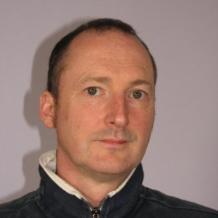
Dr Dean Waters
Dean is currently working on a Natural England funded project looking at how ecosystem services are affected by the management interventions applied over a range of habitats. The aim is to produce a set of management guidelines that show which services are affected by which intervention. An important part of this project is assessing the strength of evidence that support these findings and the transferability of studies and principles across sites and habitats.
Profile in York Research Database
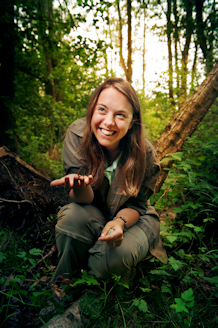
Dr Sarah West
Sarah works part-time as a Research Associate at SEI and part-time as a Teaching Fellow (Field Skills and Ecology) in the Department. Sarah is interested in the interactions between humans and our natural environment, environmental education and citizen science.
Profile in York Research Database
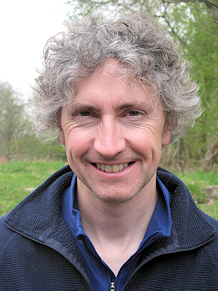
Professor Piran White
Piran White’s research is focused in two principal areas: (1) wildlife disease, ecology and management; and (2) biodiversity, ecosystem services and public health. Much of this work spans the natural and social sciences. He is Deputy Director of the NERC-funded Biodiversity and Ecosystem Service Sustainability programme. Current research includes a Defra-funded project on modelling TB in badgers and cattle, a BBSRC-funded project on the risks of invasive disease through trade, ESRC-funded work on the links between ecosystems and public health and two NERC-funded projects on the development of new approaches to manage ecosystem services at the landscape level.
Profile in York Research Database