Our people
The Department of English and Related Literature is home to over 55 members of academic staff.
Find contact details and explore who does what.

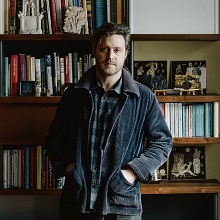
Dr Boriana Alexandrova
Research interests:
- Gender and Women's Studies
- Irish Literature and Irish Studies

Research interests:
- Gender and Women's Studies
- Modern and Contemporary
- Poetry and Poetics
- Translation
- Visual and Material Culture


Research interests:
- Eighteenth Century and Romantic
- Gender and Women's Studies
- Visual and Material Culture

Research interests:
- Gender and Women's Studies
- Modern and Contemporary

Research interests:
- American Literature
- Film Studies
- Modern and Contemporary
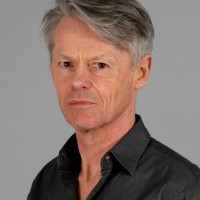
Research interests:
- Modern and Contemporary
- Victorian

Research interests:
- American Literature
- Creative Writing
- Film Studies
- Modern and Contemporary
- Poetry and Poetics
Dr Jonathan Brockbank
Research interests:
- Modern and Contemporary


Research interests:
- Irish Literature and Irish Studies
- Modern and Contemporary
- Poetry and Poetics
- Victorian
Research interests:
- Classical Reception
- Environmental Humanities
- Histories of the Book
- Medieval
Research interests:
- Creative Writing
- Global and Postcolonial
- Medieval
- Poetry and Poetics
- Translation

Research interests:
- American Literature
- Eighteenth Century and Romantic
- Gender and Women's Studies
- Victorian

Research interests:
- Creative Writing
- Gender and Women's Studies
- Global and Postcolonial
- Modern and Contemporary
- Poetry and Poetics
- Translation


Research interests:
- Histories of the Book
- Medieval
- Translation

Research interests:
- Creative Writing
- Eighteenth Century and Romantic
- Gender and Women's Studies
Research interests:
- Gender and Women's Studies
- Irish Literature and Irish Studies
- Modern and Contemporary

Research interests:
- Histories of the Book
- Renaissance


Research interests:
- Eighteenth Century and Romantic


Research interests:
- American Literature
- Gender and Women's Studies
- Global and Postcolonial
- Modern and Contemporary


Research interests:
- Gender and Women's Studies
- Queer Studies
- Renaissance

Research interests:
- Creative Writing
- Environmental Humanities
- Film Studies
- Gender and Women's Studies
- Global and Postcolonial
- Modern and Contemporary
- Visual and Material Culture

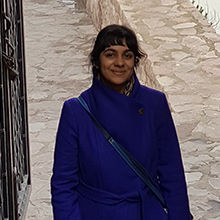
Research interests:
- Global and Postcolonial
- Medieval
- Translation
- Visual and Material Culture

Research interests:
- Histories of the Book
- Medieval

Research interests:
- Creative
- Gender and Women's Studies
- Global and Postcolonial
- Modern and Contemporary

Research interests:
- Renaissance
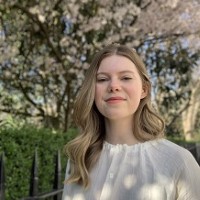
Research interests:
- American Literature
- Global and Postcolonial
- Modern and Contemporary
- Visual and Material Culture

Research interests:
- Environmental Humanities
- Global and Postcolonial
- Modern and Contemporary

Research interests:
- Medieval
- Poetry and Poetics
Research interests:
- Eighteenth Century and Romantic
- Gender and Women's Studies
- Victorian

Research interests:
- American Literature
- Classical Literature
- Histories of the Book
- Modern and Contemporary
- Poetry and Poetics
- Translation

Research interests:
- Gender and Women's Studies
- Histories of the Book
- Medieval


Research interests:
- Creative Writing
- Global and Postcolonial
- Modern and Contemporary
Research interests:
- Eighteenth Century and Romantic
- Translation

Research interests:
- Global and Postcolonial
- Irish Literature and Irish Studies
- Modern and Contemporary
- Translation


Research interests:
- Eighteenth Century and Romantic

Research interests:
- Film Studies
- Gender and Women's Studies
- Global and Postcolonial
- Modern and Contemporary


Research interests:
- Creative Writing
- Global and Postcolonial
- Modern and Contemporary
- Poetry and Poetics
- Victorian
- Visual and Material Culture

Research interests:
- Irish Literature and Irish Studies
- Modern and Contemporary

Research interests:
- Classical Literature
- Histories of the Book
- Renaissance

Research interests:
- Poetry and Poetics
- Renaissance

Research interests:
- American Literature
- Gender and Women's Studies
- Modern and Contemporary
- Poetry and Poetics
- Queer Studies

Research interests:
- Eighteenth Century and Romantic
- Gender and Women's Studies
BS/202
Research interests:
- Environmental Humanities
- Film Studies
- Modern and Contemporary
Research interests:
- Film Studies
- Modern and Contemporary
- Renaissance

Research interests:
- Environmental Humanities
- Renaissance

Research interests:
- Gender and Women's Studies
- Histories of the Book
- Renaissance
- Visual and Material Culture


Research interests:
- Renaissance

Research interests:
- Indigenous Studies
- Global and Postcolonial
- Modern and Contemporary
- Visual and Material Culture
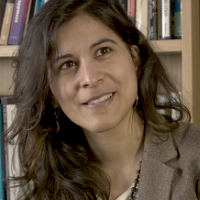
Research interests:
- Gender and Women's Studies
- Global and Postcolonial
- Modern and Contemporary
- Queer Studies
- Translation

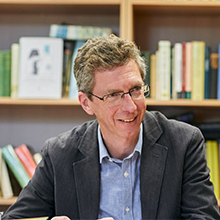
Research interests:
- Medieval
- Translation
- Victorian

Research interests:
- Gender and Women's Studies
- Global and Postcolonial
- Histories of the Book
- Medieval
- Translation

Research interests:
- Gender and Women's Studies
- Histories of the Book
- Renaissance

Research interests:
- Environmental Humanities
- Modern and Contemporary
Research interests:
- Eighteenth Century and Romantic
-218x268.jpg)
Research interests:
- American Literature
- Creative Writing
- Histories of the Book
- Irish Literature and Irish Studies
- Modern and Contemporary
- Poetry and Poetics

Research interests:
- Environmental Humanities
- Global and Postcolonial
- Modern and Contemporary
Dr Joanna Wharton
D/J/101
Research interests:
- Eighteenth Century and Romantic
- Gender and Women's Studies
- Irish Literature and Irish Studies
- Visual and Material Culture

Research interests:
- Eighteenth Century and Romantic
- Gender and Women's Studies
- Histories of the Book
- Visual and Material Culture

Research interests:
- Modern and Contemporary
- Poetry and Poetics
- Victorian

Research interests:
- Renaissance