
Rooms on campus
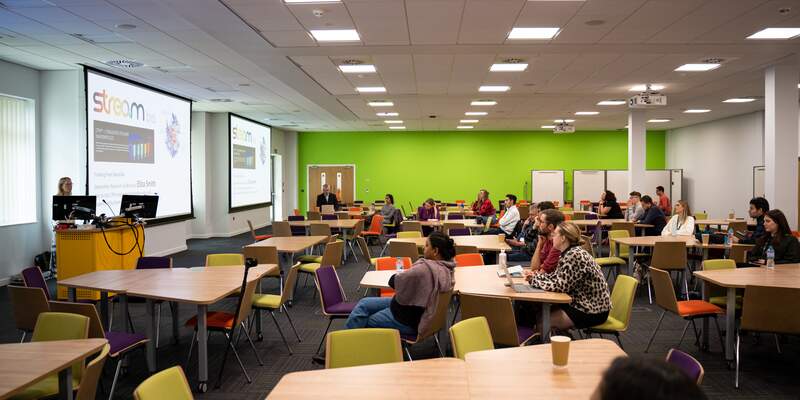
Room bookings and timetabling
Filming requests for ACT students
If you are a School of ACT student you should refer to the guidance on the ACT website and contact your module convenor or programme leader directly for further help. Please also review the School's Campus Filming Guidelines document provided through your programme for correct procedures to follow.
For internal locations:
If you wish to film inside a bookable space within a campus building you can book it following the usual room booking procedures ensuring you adhere to the Campus Filming Guidelines set out by the School.
For external locations:
The Campus Safety Manager will then respond to your request via email. If you are successful, you can use this email as proof of permission.
For all external filming requests you will need to have a signed Risk Assessment form signed off by your Course Tutor.
For all other requests to film on campus contact pressoffice@york.ac.uk.
Timetabling
The timetabling team works alongside academic departments to create the annual timetable for staff and students.
Opening hours
Monday to Friday: 9am to 5pm
Bank holidays: Closed